
At the core of modern smart manufacturing and automated production lies the human-machine interface. However, deploying standard consumer electronics in a heavily industrialized environment will inevitably lead to hardware failure and costly data loss. This comprehensive industrial tablet pc purchase guide is designed for IT decision-makers and facility managers who need to invest in ruggedized mobility. From surviving intense vibrations on the machine floor to operating seamlessly in freezing chemical storage units, here are the critical technical specifications you must evaluate before making your next hardware investment.
The core of today’s production equipment is a rugged tablet. Industrial tablet PC is mainly designed to simplify data collection and process adjustment in the workshop environment, so it continues to serve as the main processing resource and the secondary lightweight computing front-end function. Nothing can better serve a highly distributed process control environment than an industrial tablet PC.
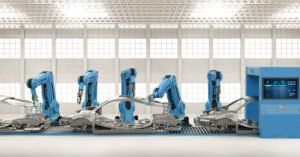
Industrial tablet PC has certain different characteristics that make them different. In short, these special characteristics are factors that decision makers must consider when purchasing industrial tablet PC for use in manufacturing facilities, mechanical laboratories, and other extreme operating environments.
1. Military-Grade Shock and Vibration Resistance
For durable computers deployed on factory floors, inside forklifts, or near heavy stamping machinery, continuous exposure to high-level vibrations is unavoidable. A standard commercial tablet will quickly suffer from shattered screens or disconnected internal components under such duress.
When consulting any industrial tablet pc purchase guide, the first specification to verify is MIL-STD-810G/H certification. This military-grade testing ensures the device features a reinforced chassis, shock-absorbing corner bumpers, and industrial-grade internal electronic components (such as solid-state drives and high-performance aluminum electrolytic capacitors). This engineering prevents catastrophic internal module damage during violent shaking or accidental drops onto concrete.
2. Ingress Protection (IP Rating) and Fanless Architecture
Dust, dirt, chemical spills, and water ingress are the silent killers of electronic equipment. Adequate environmental sealing is absolutely paramount. Your selected device should boast an IP65 or IP67 rating, ensuring the outer shell is completely sealed against foreign particulate matter and liquid immersion.
Equally important is the internal thermal management. Traditional fan-based cooling systems are prone to sucking in conductive dust and chemical vapors, leading to motherboard short circuits. The most reliable rugged tablets utilize a fanless passive cooling system. This not only eliminates mechanical failure points and reduces audible noise, but it also makes these tablets perfectly suited for cleanroom environments and high-precision manufacturing facilities.
3. Dynamic Operating Temperature Range
Industrial environments are rarely climate-controlled. Operations can shift from ultra-low temperature food storage units (often below -20°C) to the blazing high temperatures found near heavy forging machinery or outdoor sun-drenched yards (exceeding 60°C).
A standard lithium battery and commercial LCD will fail or freeze under these extremes. Therefore, a critical step in your rugged computing selection process is verifying the wide operating temperature range. Specialized industrial tablets are engineered with wide-temperature motherboards and specialized battery chemistry to guarantee peak processing performance regardless of thermal extremes.
Are you ready to eliminate hardware downtime and optimize your distributed process control? Explore Emdoor’s full lineup of durable hardware highlighted in this industrial tablet pc purchase guide, and let our experts help you configure the perfect rugged solution for your facility.