
Executive Summary
As Industry 4.0 transitions from conceptual design to shop-floor reality, mobile computing hardware has become an indispensable backbone for enterprise operations. However, traditional deployment strategies often hit a critical bottleneck: the physical form factor of the device. For decades, the industrial sector accepted a harsh compromise—sacrificing portability, ergonomics, and worker comfort in exchange for the structural durability required to survive harsh environments.
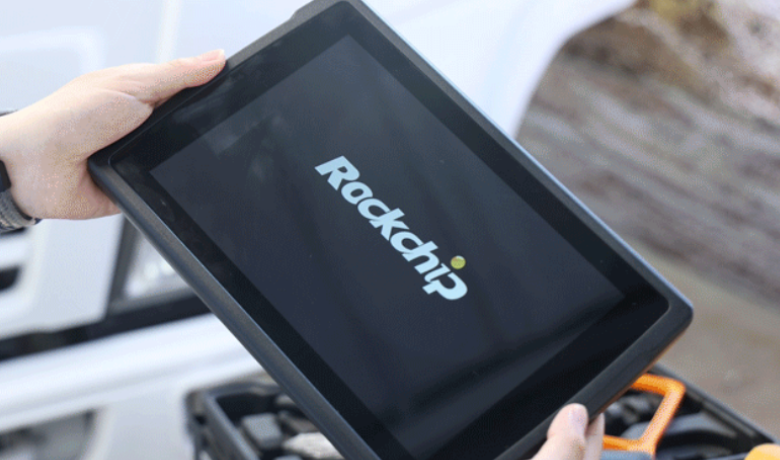
This white paper examines the operational and financial impact of a new paradigm in industrial hardware design: the engineering of ultra-lightweight, slim-profile rugged mobile computers. By leveraging advanced composite materials like polycarbonate (PC), acrylonitrile butadiene styrene (ABS), and thermoplastic polyurethane (TPU), alongside sophisticated internal architectures such as high-density 12-layer L-shaped motherboard stacking, modern rugged devices break the traditional trade-off between weight and durability.
Key Findings
- Ergonomic Alignment: Reducing device weight and thickness directly correlates with a reduction in repetitive strain injuries (RSIs) and physical fatigue among frontline workers.
- Operational Velocity: Lightweight mobile devices improve task execution speeds in high-mobility environments like smart retail, outdoor inspection, and warehouse logistics.
- TCO Optimization: Advanced non-metallic composite enclosures maintain strict MIL-STD-810H drop protection and IP ratings while lowering total cost of ownership (TCO) via enhanced device drops-per-shift mitigation and increased user adoption.
Business Impact
Enterprises transitioning from legacy, bulky rugged hardware to optimized lightweight form factors experience documented improvements in shift-level productivity, lower employee turnover rates, and reduced enterprise liability related to workplace strain, ultimately accelerating the ROI of digital transformation initiatives.
Industry Challenge Overview
Enterprise mobility initiatives are frequently undermined by a hidden operational friction point: user fatigue and resistance driven by poorly optimized hardware dimensions. In field service, logistics, and retail environments, frontline workers carry mobile computers for 8 to 12 hours per shift. When these devices are excessively heavy or thick, they cease to be tools of efficiency and instead become physical liabilities.
Current Industry Problems
- The “Heavy Device” Tax: Traditional rugged tablets and handhelds wrapped in heavy aluminum or thick elastomeric armor cause cumulative muscular fatigue. This leads to a measurable drop in scan/data-entry speed during the latter half of a shift.
- Workplace Injuries and Liability: Repetitive manipulation of bulky devices contributes to Musculoskeletal Disorders (MSDs) and Carpal Tunnel Syndrome, driving up worker compensation claims and absenteeism.
- Device Abandonment and Workarounds: When a device is cumbersome, workers frequently leave it in vehicles, on forklifts, or at central desks, reverting to error-prone paper workflows or unauthorized personal smartphones (Shadow IT) that compromise corporate data security.
- The “Rugged vs. Portable” Paradox: Historically, achieving high IP (Ingress Protection) ratings and drop survival required thick walls and heavy internal reinforcement, forcing IT decision-makers to choose between short device lifecycles (consumer devices) or hindered workforce velocity (heavy rugged devices).
Understanding the Lightweight Specification
In the context of industrial computing, “lightweight and slim” is not an aesthetic preference; it is a critical performance specification. It refers to the deliberate reduction of a device’s physical mass and volumetric footprint without compromising structural integrity, thermal dissipation, or environmental sealing.
Industry Perspective: Modern enterprise mobility demands that an industrial device behave like a consumer tablet in hand, yet perform like a piece of industrial machinery in the field. Achieving this requires moving beyond brute-force physical shielding toward highly engineered material science and micro-architecture optimization.
Technical Analysis
To eliminate device bulk while maintaining industrial-grade ruggedness, advanced manufacturers utilize a dual-pronged strategy combining cutting-edge material engineering with highly dense internal electronics layouts.
1. Advanced Material Science: PC + ABS + TPU Composites
Rather than relying solely on heavy magnesium or aluminum alloys, next-generation rugged chassis utilize a co-molded matrix of specialized polymers:
- PC (Polycarbonate): Provides high impact resistance, dimensional stability, and thermal endurance. It acts as the rigid backbone of the housing.
- ABS (Acrylonitrile Butadiene Styrene): Introduces excellent tensile strength, scratch resistance, and chemical defense against industrial solvents and cleaning agents.
- TPU (Thermoplastic Polyurethane): Functioning as a built-in shock absorber, TPU is over-molded onto critical stress points and corners to dampen kinetic energy during high-velocity drops.
Compared to traditional metals, this composite matrix possesses a significantly lower density, stripping net weight from the chassis while retaining elastic properties that allow the frame to flex and absorb impacts rather than cracking or permanently deforming.
2. Internal Micro-Architecture: 12-Layer L-Shaped Motherboard Stacking
To compress the thickness of the device housing, the internal electronics must be radicalized. Taking engineered platforms like the Emdoor M82A as a benchmark, two core design principles are applied:
- L-Shaped Board Geometry: By altering the traditional rectangular motherboard into an optimized “L” configuration, engineers can wrap the circuitry efficiently around internal components like the battery well, integrated barcode scanner, and camera modules. This eliminates dead space and dramatically shrinks the XY footprint of the chassis.
- 12-Layer Ultra-High-Density PCB Stacking: Standard industrial boards often utilize 6 to 8 layers. Moving to a 12-layer design allows trace routes to be buried across vertical vias, compressing the layout. Circuit layout becomes exceptionally compact, enabling more micro-components, sensors, and processing modules to sit within a drastically restricted Z-axis (thickness).
[Traditional Layout: Rectangular Board + Separate Components = Wasted Volumetric Space]
↓
[Modern Optimized Layout: 12-Layer L-Shaped Board Wraps Around Components = Ultra-Slim Form Factor]
Technical Elements & System Impacts
| Technical Element | Description | Engineering Achievement | Business Impact |
| PC+ABS Composite Matrix | Blended high-impact polymer engineering replacing heavy solid alloys. | Drastic reduction in base material density; intrinsic elastic shock absorption. | Reduced user fatigue; lower shipping/freight costs for large-scale enterprise deployments. |
| TPU Over-molding | Thermoplastic elastomer chemically bonded to high-stress corner zones. | Eliminates the need for external, bulky rubber bumpers. | Sleek device profiles that fit seamlessly into standard vehicle mounts, holsters, and pockets. |
| L-Shaped Motherboard Layout | Geometric reconfiguration of the core system board around peripheral modules. | Elimination of unutilized internal volume; tighter integration of components. | Shorter device length and width, improving single-handed operational ergonomics. |
| 12-Layer HDI Stacking | High-Density Interconnect PCB fabrication with 12 discrete layers of signal/ground pathways. | Compression of circuit surface area; maximizes components per cubic millimeter. | Ultra-thin device profiles without sacrificing processing power, I/O ports, or cellular connectivity. |
Feature-to-Business Value Analysis
Every millimeter shaved from a device’s thickness and every gram removed from its chassis creates a cascading positive effect throughout enterprise operations. The matrix below traces these technical refinements directly to financial and operational outcomes.
Feature-to-Benefit Matrix
| Feature | Technical Advantage | Operational Benefit | Business Value |
| Ultra-Lightweight Chassis (Optimized Mass) | Reduces total carrying mass compared to legacy enterprise hardware. | Lower muscle strain and energy expenditure for mobile workers over long shifts. | Higher Productivity: Maintains constant scan and data-entry speeds during hours 8–12 of a shift, driving up throughput. |
| Slimline Profile (Reduced Thickness) | Minimizes the volumetric space required for physical housing; easier to grip. | Enables secure single-handed operation; allows devices to fit comfortably in pockets or light aprons. | Reduced TCO: Lower drop incident rates because the device is naturally easier to hold and handle securely. |
| Composite Polymer Formulation | High strength-to-weight ratio; high elasticity under kinetic shock loads. | Maintains full MIL-STD-810H compliance and IP ratings without requiring metal armor. | Longer Lifecycle: Ensures the device survives multi-angle concrete drops, protecting capital investment over a 3-5 year cycle. |
| High-Density Internal Circuit Integration | Condenses processing, memory, and connectivity modules into a tighter space. | Prevents thermal throttling; enables maximum processing performance in a sleek form factor. | Equipment Utilization: Eliminates system lag and application crashes during critical field transactions or inventory runs. |
Application Scenarios
The practical application of lightweight rugged computing spans several fast-paced mobility sectors. In each scenario, form factor optimization acts as a direct catalyst for operational efficiency.
1. Smart Retail & Assisted Selling
In modern omni-channel retail environments, associates must balance inventory tracking, price checks, and line-busting mobile Point-of-Sale (mPOS) transactions directly on the sales floor.
- The Pain Point: Carrying heavy, industrial-looking data terminals alienates customers and exhausts floor staff, leading to devices being left behind cash wraps, which delays customer service.
- The Solution: Slim, lightweight rugged handhelds built with PC+ABS housings that match consumer aesthetics while retaining drop resistance.
- The Outcome: Associates carry the device seamlessly via hand-straps or pockets for an entire shift, immediately answering customer queries and processing checkout anywhere in the store.
- ROI Impact: A estimated 12–15% increase in cross-selling conversions and a sharp drop in checkout queue abandonment rates.
2. Outdoor Inspection & Utilities
Field technicians navigate complex environments—climbing ladders, checking remote pipelines, or auditing electrical substations in unpredictable weather.
- The Pain Point: Technicians are already burdened with heavy specialized tools. A bulky, heavy tablet increases the risk of falls, limits three-point contact climbing safety, and causes physical strain during long surveying walks.
- The Solution: Ultra-thin rugged tablets engineered with highly integrated 12-layer motherboard architectures, minimizing thickness so devices can be slung securely against the body or holstered.
- The Outcome: Enhanced worker safety with hands-free mobility options; rapid digital data logging right at the asset inspection site.
- ROI Impact: Mitigates regulatory non-compliance risks through real-time asset tracking; minimizes equipment downtime via faster field reporting cycles.
3. Warehousing & Logistics
Order pickers, cross-dock workers, and inventory managers move thousands of items daily, relying on constant barcode scanning and warehouse management system (WMS) interaction.
- The Pain Point: Executing thousands of scan cycles per day with a top-heavy, poorly balanced terminal results in wrist fatigue, slowed scan rates, and frequent accidental drops onto concrete.
- The Solution: Lightweight, ergonomically balanced form factors engineered via L-shaped motherboard compaction that shifts the device’s center of gravity toward the palm.
- The Outcome: Workers handle inventory scanning continuously with minimal wrist fatigue, leading to faster processing times and fewer drop-induced hardware failures.
- ROI Impact: Measurable reductions in cost-per-pick metrics and a significant reduction in device repair cycles, keeping spare pool overhead low.
[Legacy Bulk Device: Wrist Fatigue → Slower Scans → Frequent Drops → Increased TCO]
                                    vs.
[Modern Slim Device: Balanced Grip → Sustained Velocity → Fewer Drops → Decreased TCO]
Application Scenario Matrix
| Application Arena | Primary Operational Bottleneck | Lightweight Technology Solution | Primary Quantitative Impact / ROI Driver |
| Smart Retail | Cart-to-counter friction; bulky devices ruin clienteling interactions. | Slim-profile, consumer-styled polymer rugged handhelds. | +15% Transaction Velocity: Accelerates line-busting and assisted selling conversion rates. |
| Outdoor Inspection | Safety hazards during climbing; high tool payload fatigue. | 12-layer ultra-dense, thin-profile rugged tablets. | Risk Reduction: Promotes 100% adherence to hands-free safety mandates; eliminates field paperwork delays. |
| Warehouse & Logistics | High scan-cycle wrist fatigue; high-frequency concrete drops. | L-shaped compact micro-architecture with built-in TPU corner bumpers. | Downtime Mitigation: Reduces accidental drop frequencies; increases picks-per-hour metrics across extended shifts. |
Industry Best Practices
When migrating an enterprise workforce to modern, lightweight rugged mobile systems, IT decision-makers and operations managers should adhere to the following deployment guidelines:
- Evaluate Ergonomics Holistically: Do not look at weight in isolation. Analyze the device’s center of gravity, grip texture, and thickness. A slightly heavier but perfectly balanced device often feels lighter to a worker than a poorly balanced, thinner one.
- Audit Material Composition: Ensure that lightweight claims are backed by robust material formulations (like PC+ABS+TPU composites). Avoid pure consumer plastics that lack chemical resistance to industrial cleaning agents or lack the structural resilience for harsh environments.
- Insist on True Industrial Validation: Verify that despite the reduced mass and slim profile, the equipment is fully certified under MIL-STD-810H (or MIL-STD-810G) and carries a verified IP65/IP67 ingress protection rating.
- Perform Real-World Shift Testing: Before full-scale deployment, conduct a blind pilot program. Have frontline operators utilize the lightweight devices across a full 8-to-12 hour shift to measure the reduction in fatigue and the corresponding increase in late-shift data transaction speeds.
Future Trends in Industrial Mobility
The trajectory of enterprise mobility hardware points toward a deeper convergence of high-compute capabilities and featherweight physical designs.
Edge AI Integration without Bulk
As Edge AI computing becomes a standard operational requirement—enabling real-time computer vision, on-device machine learning for defect detection, and instant voice-to-data parsing—the underlying hardware must evolve. Standard legacy architectures required large heatsinks and bulky cooling jackets to manage the thermal profiles of powerful processors.
Future-ready lightweight rugged devices bypass this limitation by using ultra-high-density multi-layer boards (12+ layers) coupled with advanced thermal-conductive polymer housings. This allows high-TOPS (Trillions of Operations Per Second) AI chipsets to operate at peak efficiency inside slim, sealed, fanless enclosures.
Proliferation of Advanced Composites
The reliance on heavy metal enclosures will continue to decline as aerospace-grade composites and carbon-fiber-reinforced polymers migrate into mainstream industrial hardware. These materials will allow future rugged tablets and laptops to achieve weight profiles that match thin consumer ultrabooks while delivering unmatched structural rigidity and shatterproof reliability.
Frequently Asked Questions
What is a PC+ABS+TPU composite material, and why is it used in rugged computers?
PC+ABS+TPU is a high-performance polymer alloy. Polycarbonate (PC) provides extreme impact resistance and thermal stability; Acrylonitrile Butadiene Styrene (ABS) delivers structural rigidity and chemical defense; Thermoplastic Polyurethane (TPU) acts as an integrated shock absorber on corners and impact points. Manufacturers use this composite matrix to engineer lightweight housings that offer the same structural protection as traditional heavy metal enclosures at a fraction of the weight.
Why does a 12-layer motherboard design matter for industrial mobile computers?
A 12-layer motherboard design allows electrical engineers to route complex circuits vertically across many high-density layers rather than spreading them across a wider horizontal plane. This high-density stacking dramatically minimizes the total circuit board footprint, allowing all vital processing, storage, and wireless modules to fit into an ultra-slim, compact device chassis without sacrificing performance or system ports.
How does an L-shaped motherboard architecture improve device ergonomics?
An L-shaped motherboard architecture optimizes the internal spatial layout of a mobile computer by wrapping the core circuitry tightly around peripheral modules like batteries and scanner engines. This eliminates wasted space, allowing for a shorter, narrower, and better-balanced chassis that shifts the center of gravity closer to the user’s palm, significantly reducing wrist fatigue during prolonged use.
Does reducing the weight and thickness of a rugged device compromise its drop rating?
No. When utilizing advanced composite materials and modern micro-architectures, a reduction in weight does not equal a reduction in durability. Because a lighter device possesses less mass, it generates significantly less kinetic energy upon impact when dropped. Combined with shock-absorbing TPU over-molding, lightweight devices can easily meet or exceed strict MIL-STD-810H drop testing standards.
How does a lighter mobile computer help optimize an enterprise’s Total Cost of Ownership (TCO)?
Lightweight devices dramatically lower TCO by reducing drop frequencies caused by user fatigue, mitigating workplace repetitive strain injuries, and increasing user adoption rates. When a device is comfortable and easy to carry, workers treat it as an asset rather than a burden, which lowers accidental damage rates and minimizes costly operational workarounds.
Can slim, lightweight rugged laptops and tablets maintain adequate thermal cooling?
Yes. By deploying highly integrated PCB designs and utilizing modern, low-power high-efficiency processors alongside thermal-conductive polymer housings, slim devices can dissipate heat efficiently through their outer shells. This enables completely sealed, fanless designs that prevent internal overheating without requiring bulky external cooling structures.
Key Takeaways
- Form Factor Dictates Efficiency: Ergonomic optimization (low weight and slim thickness) directly counteracts operator fatigue, preserving high productivity levels through the end of long shifts.
- Material Engineering Replaces Bulk: Advanced composite polymer blends (PC+ABS+TPU) provide high-tier structural integrity and impact absorption without adding the dead weight of traditional metal frames.
- Internal Density Enables Slimness: Transitioning to high-density 12-layer L-shaped motherboards allows for the elimination of wasted internal space, driving down device thickness.
- Ergonomics Safely Minimizes TCO: Balanced, lightweight form factors lower the risk of accidental drops, reduce workplace musculoskeletal risks, and discourage workers from turning to insecure “Shadow IT” alternatives.
- Durability Remains Uncompromised: Modern lightweight engineering easily preserves full compliance with strict MIL-STD-810H and IP environmental sealing requirements.
Conclusion
The evolution of industrial hardware design has entered a decisive stage where operational ergonomics is recognized as a primary driver of enterprise efficiency. Shaving weight and reducing physical profile dimensions are no longer viewed as superficial modifications, but rather as critical engineering achievements that directly influence workforce velocity, injury prevention, and device lifecycles. By fusing material science innovation with ultra-dense internal electronics positioning, modern rugged mobile solutions successfully dismantle the barrier between heavy-duty ruggedization and lightweight portability.
Leveraging extensive experience in rugged computing architectures and industrial mobility deployments, Emdoor and Onerugged remain at the forefront of this design shift. Their ongoing engineering investments continue to provide global enterprises with highly optimized, slim, and durable computing tools that empower frontline workforces, streamline asset workflows, and accelerate the long-term return on digital transformation investments.