
Executive Summary
In the era of Industry 4.0, rugged tablets and industrial PCs are critical components of enterprise digital workflows. However, the operational environments of these devices are unforgiving. Hardware deployed in heavy industries frequently encounters severe mechanical shocks, abrasions, and chemical exposure. Historically, achieving industrial-grade protection required heavy metal armoring, which severely hindered device ergonomics and worker productivity.
This white paper examines the technological evolution of rugged device chassis, focusing on the integration of PC+ABS+TPU composite materials. By blending specific thermoplastic polymers, modern rugged hardware successfully breaks the compromise between extreme durability and lightweight portability.
Key Findings
- Material Synergy: The precise formulation of Polycarbonate (PC), Acrylonitrile Butadiene Styrene (ABS), and Thermoplastic Polyurethane (TPU) delivers an optimal strength-to-weight ratio.
- Failure Mitigation: Advanced polymer engineering drastically reduces device failure rates caused by drops, impacts, and chemical corrosion.
- Ergonomic ROI: Transitioning from heavy metal housings to advanced composites lightens the physical burden on frontline workers, reducing workplace fatigue and boosting shift productivity.
Industry Challenge Overview
Industrial field operations present physical bottlenecks that consumer-grade hardware cannot survive. When enterprises deploy mobile computing devices in the field, the outer shell is the first line of defense. Selecting the wrong housing material directly impacts operational continuousness.
Current Industry Problems
- The Weight-vs-Protection Dilemma: Traditional metallic enclosures provide high impact strength but add significant weight, causing physical strain and ergonomics complaints from the workforce.
- Chemical Degradation: In industrial and public safety sectors, devices are frequently exposed to cleaning solvents, oils, and sanitizers, which cause standard plastics to become brittle and crack.
- High Maintenance Overheads: Minor drops in the field often lead to broken chassis corners or localized structural failures, resulting in costly [internal-link: rugged device repair] cycles and operational downtime.
Understanding Outer Shell Material Technology
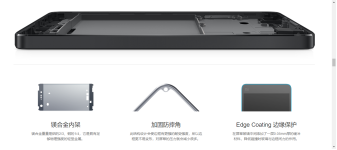
Chassis material engineering is not merely about housing internal electronics; it is about predicting kinetic energy distribution during an impact. Advanced composite engineering utilizes co-molding processes to bond distinct polymers into a unified, high-performance structural frame.
Key Insight: A truly rugged device should not rely on a bulky outer case. The ruggedness must be built directly into the chemistry of the outer shell material, enabling a slim profile that meets rigorous MIL-STD-810H drop-test standards.
Technical Analysis
To understand how modern rugged devices resist damage, we must analyze the specific molecular properties of the PC+ABS+TPU composite material.
Core Technical Concepts & Terminology
- PC (Polycarbonate): A high-performance engineering thermoplastic characterized by high transparency, extreme impact resistance, exceptional dimensional stability, and broad thermal endurance. It serves as the rigid structural core of the device frame.
- ABS (Acrylonitrile Butadiene Styrene): A high-strength, highly resilient, and easily moldable thermoplastic polymer. Widely utilized in electronics manufacturing, ABS enhances surface hardness, scratch resistance, and chemical defense against industrial oils.
- TPU (Thermoplastic Polyurethane): A unique class of thermoplastic elastomers that bridge the gap between rubber and plastics. TPU possesses high tensile strength, extreme abrasion resistance, low-temperature flexibility, and excellent weathering properties, making it the perfect shock-absorbing bumper material.
[PC Core: Structural Rigidity & Heat Resistance]
       + [ABS Matrix: Surface Hardness & Chemical Defense]
       + [TPU Outer Layer: Kinetic Shock Absorption & Grip]
= Next-Generation Composite Rugged Chassis
Technical Material Properties & System Impact
| Technical Element | Material Characteristic | Engineering Achievement | Operational System Impact |
|---|---|---|---|
| Polycarbonate (PC) | High impact strength & dimensional stability. | Prevents internal chassis flexing during high-velocity drops. | Protects sensitive internal motherboards and display connections from twisting forces. |
| Acrylonitrile Butadiene Styrene (ABS) | Structural rigidity & excellent processing aesthetics. | Allows precision molding of intricate port covers and slim-walled enclosures. | Enhances structural integrity while ensuring full [internal-link: IP65 sealing] compliance against dust and moisture. |
| Thermoplastic Polyurethane (TPU) | Elastomeric elasticity & high abrasion resistance. | Eliminates the need for external, bulky protective boots or rubber skins. | Provides continuous kinetic energy dampening at critical drop-zones (device corners). |
Feature-to-Business Value Analysis
Every material chosen for an industrial device housing must justify its cost by generating clear operational and financial benefits for the enterprise buyer.
Feature-to-Benefit Matrix
| Feature | Technical Advantage | Operational Benefit | Business Value |
|---|---|---|---|
| PC+ABS+TPU Composite Outer Shell | Balances high material tensile strength with elastic toughness. | Device survives multi-angle impacts onto concrete surfaces without structural fracture. | Reduced Device Failure Rates: Minimizes unexpected operational downtime and keeps spare-pool inventory costs low. |
| High Density Chemical & Abrasion Resistance | Resists breakdown from industrial solvents, oils, and sanitizing chemicals. | Devices can be thoroughly disinfected or operated in greasy environments without material degradation. | Extended Equipment Lifecycle: Lowers capital expenditure (CapEx) by stretching device replacement cycles to 3–5 years. |
| Lower Volumetric Mass Density | Strips net physical weight compared to traditional aluminum/magnesium alloy casings. | Minimizes user fatigue during long 8-to-12 hour shifts; fits easily into lightweight gear belts. | Higher Productivity: Eliminates worker fatigue-induced data logging errors during the latter half of operational shifts. |
Application Scenarios
The adoption of PC+ABS+TPU composite outer shells delivers high operational returns in specific high-stress mobility environments.
1. Field Work & Outdoor Exploration
Technicians operating in remote geographic locations, oil fields, and forestry reserves face extreme weather, rough terrain, and unpredictable drop risks.
- The Pain Point: Carrying heavy metal tablets causes physical exhaustion during long surveying walks. Furthermore, dropping a device onto jagged rocks can shatter standard plastic frames instantly.
- The Solution: Slim rugged handheld computers built with composite polymer shells that offer drop protection without adding bulk to the technician’s tool kit.
- The Outcome: Technicians carry their data logging devices effortlessly, executing continuous asset tracking regardless of environment.
- ROI Impact: Fewer broken devices in remote fields eliminates the massive logistical cost of sending replacement hardware to distant sites.
2. Industrial & Manufacturing Floors
Smart factories and heavy assembly plants expose mobile computers to vibration, automated machinery, abrasive surfaces, and chemical splashes.
- The Pain Point: Forklift vibrations and concrete shop floors destroy consumer electronics. Meanwhile, airborne oils and machine lubricants chemically degrade standard plastic enclosures, causing them to crack.
- The Solution: [internal-link: Industrial panel PCs] and tablets utilizing ABS-reinforced housings that repel grease and withstand frequent drops from assembly lines.
- The Outcome: Uninterrupted connection to the Warehouse Management System (WMS) and Manufacturing Execution System (MES).
- ROI Impact: Maximizes overall equipment effectiveness (OEE) by removing hardware failures from the production bottleneck list.
3. Public Safety & Emergency Services
First responders, police officers, and paramedics require instant data access under high-stress, chaotic conditions where device handling is secondary to human safety.
- The Pain Point: Bulky, heavy devices slow down responders during critical moments. If a device slips from a paramedic’s hand onto asphalt, a failure can disrupt vital patient telemetry transmission.
- The Solution: Ergonomically optimized, TPU-bumpered vehicle-mounted computers and handhelds that can be quickly grabbed and used with one hand.
- The Outcome: Flawless communication and data logging during critical incidents, with a secure grip even when wearing tactical or medical gloves.
- ROI Impact: Mitigates risk by ensuring 100% data availability during life-critical operations.
Industry Best Practices
When procuring rugged mobile hardware, enterprise IT leaders should apply these material science evaluation guidelines:
- Verify Composite Percentages: Ensure the manufacturer provides genuine co-molded PC+ABS+TPU composites rather than cheap, single-injection plastics disguised with superficial corner rubbers.
- Match Material to Chemical Exposure: If your operational workflow requires constant disinfection (e.g., healthcare, food processing) or involves machine oils, request chemical compatibility charts for the device’s outer shell.
- Prioritize Weight Optimization: Never overlook device mass. A lighter device constructed from high-strength composites will always outperform a heavy metal device in terms of worker adoption and shift-level productivity.
Future Trends
As Industry 4.0 and edge AI computing expand, the physical demands on device enclosures will intensify. Next-generation composite materials will increasingly incorporate carbon fiber vectors and bio-based polymers to further reduce weight while pushing tensile strength beyond traditional metal alloys. Furthermore, future outer shells will feature self-healing polymer surfaces that automatically close minor scratches and abrasions, preserving water-tight sealing over longer lifecycles.
Frequently Asked Questions
What makes PC+ABS+TPU composites superior to standard plastics?
Standard plastics lack the molecular properties to absorb high impacts or resist aggressive industrial chemicals. A PC+ABS+TPU composite combines the high impact strength of Polycarbonate, the structural hardness of ABS, and the elastic shock-absorption of TPU into a single material matrix, delivering superior protection without adding unnecessary bulk.
How does TPU material help reduce device damage?
TPU (Thermoplastic Polyurethane) acts as a built-in shock absorber. When a device hits a hard surface like concrete, the flexible TPU over-molding on the corners deforms slightly to absorb and dissipate the kinetic energy, preventing the shock wave from shattering the internal electronics.
Can composite polymer shells withstand chemical cleaning?
Yes. The addition of ABS and specialized Polycarbonate blends gives the outer shell excellent resistance against common industrial chemicals, lubricants, and sanitizing agents, preventing the housing from becoming brittle or cracking over time.
Does a lighter composite casing mean the device is less rugged?
No. Because composite polymers have a lower mass density than metals, they drastically reduce the weight of the device. However, their structural strength and ability to flex under impact allow them to pass strict [external-link: IP ratings] and military-grade drop tests easily.
How does outer shell material affect a device’s total cost of ownership (TCO)?
Devices built with high-quality composites fail less often in the field, reducing hardware repair costs and minimizing worker downtime. Over a 3-to-5 year deployment, this stability drastically lowers the total cost of ownership compared to consumer devices or poorly engineered hardware.
Key Takeaways
- Strength Meets Flexibility: The combination of PC+ABS+TPU provides the perfect structural balance of rigidity and impact absorption.
- Ergonomic Gains: Utilizing lightweight polymer composites removes the burden of bulky hardware, eliminating user fatigue and boosting operational speed.
- Environmental Resilience: Advanced outer shells provide long-lasting defense against concrete drops, friction, and aggressive industrial chemicals.
- Lower Operational Costs: Maximizing outer shell durability directly lowers device failure rates, yielding an optimized enterprise TCO.
Conclusion
The selection of outer shell materials is a critical factor determining the long-term success of enterprise mobility deployments. Moving away from heavy metal designs toward advanced polymer matrices like PC+ABS+TPU represents a major step forward in balancing ergonomics with industrial-grade durability. By investing in material science, organizations can protect their hardware investments while giving frontline workers the lightweight, reliable tools they need to succeed.
Drawing on years of engineering experience in rugged mobility solutions, Emdoor and Onerugged continue to lead the industry in implementing advanced material architectures. Their continuous design innovations ensure that enterprises do not have to choose between device durability and workforce efficiency—delivering lightweight, ultra-rugged solutions that drive modern industrial digital transformation.